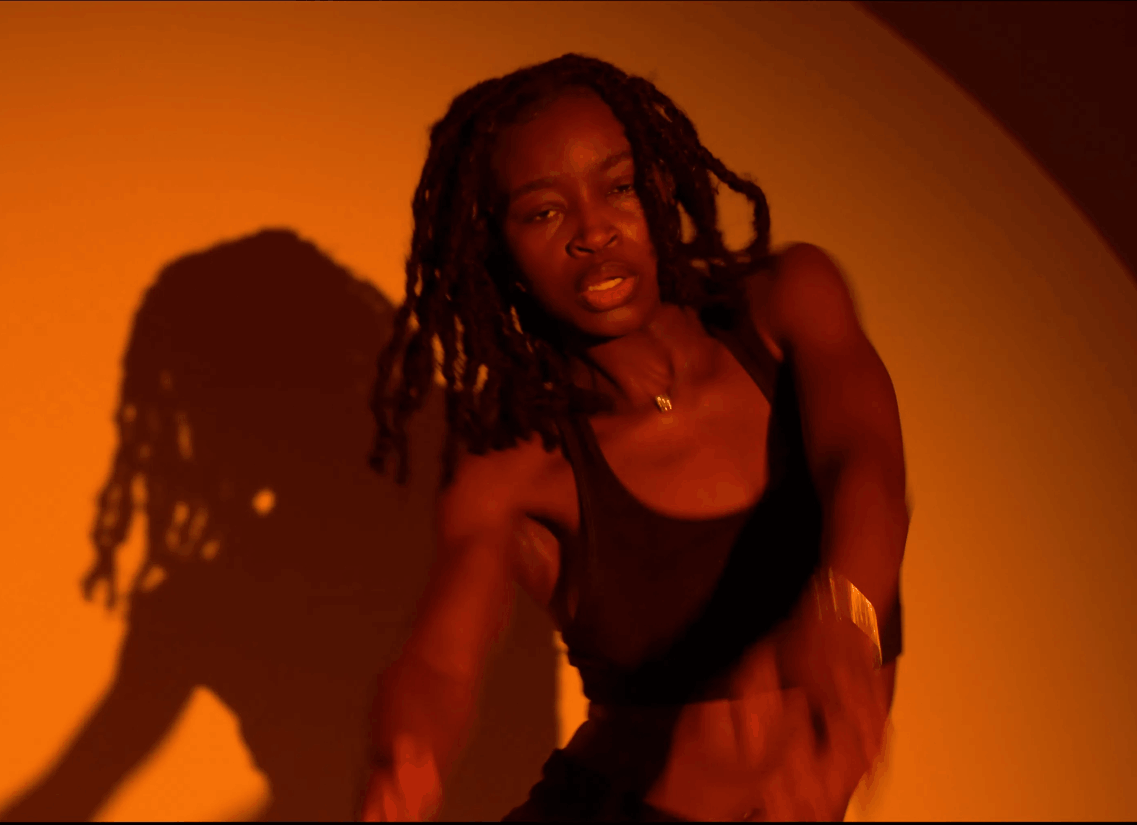
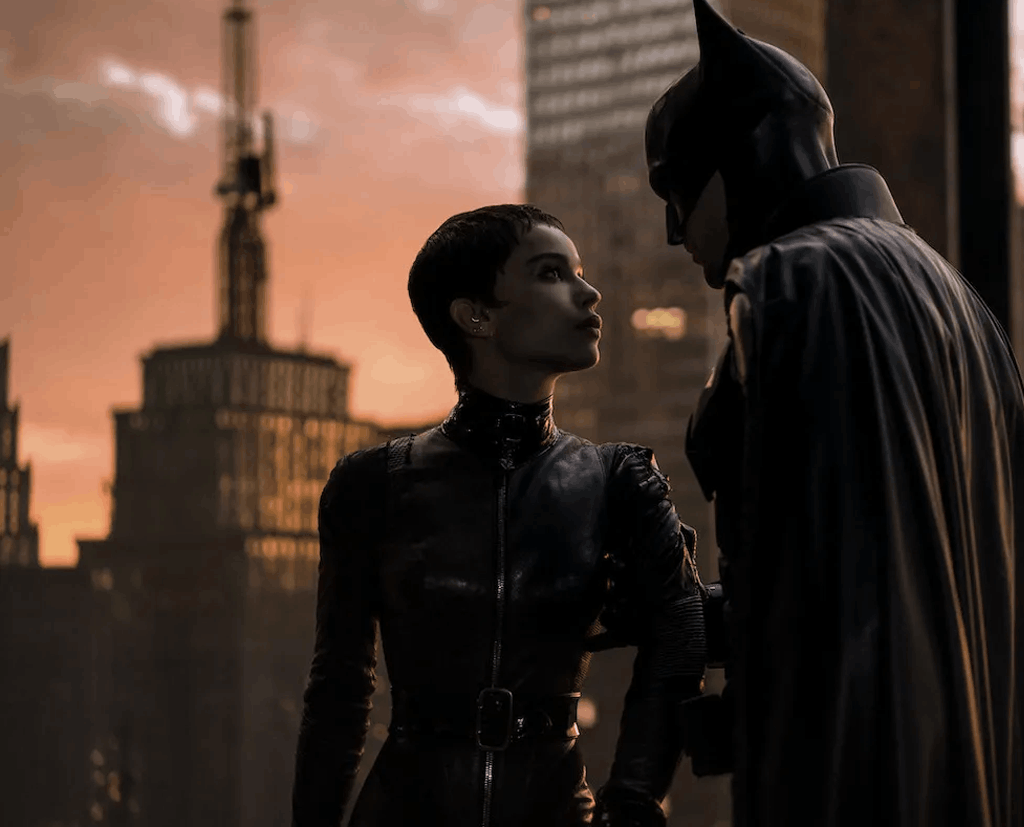
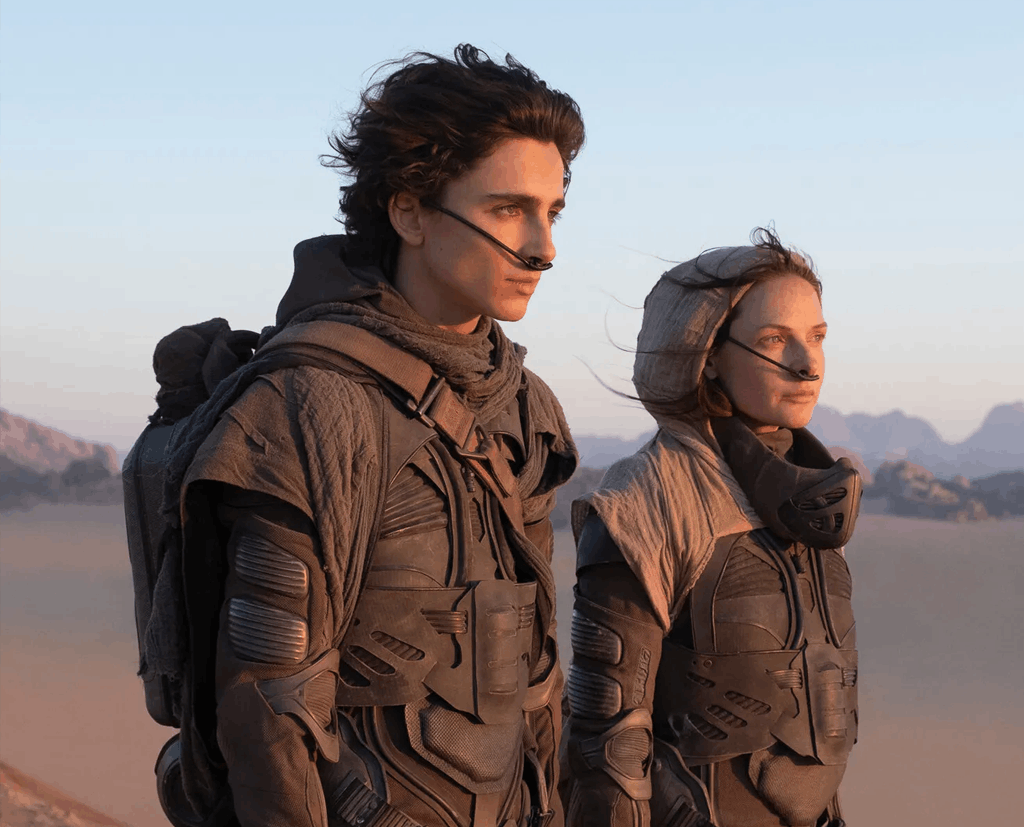
We decided on camera movement (locked-off for stability or handheld for dynamism), lens choices (wide for expansive environments, telephoto for intimate close-ups), and composition rules (centered framing, rule of thirds, or leading lines) to ensure a consistent visual style throughout.
We decided on how the camera will move either staying still for a steady, professional look or moving handheld for a more energetic and natural feel. I also chose lenses based on what best fits the mood: wider lenses to show more of the environment, and zoomed-in lenses for tighter, more emotional shots. Finally, I planned out how each scene will be framed, using simple visual guides like keeping the subject centered or following lines that draw the viewer’s eye naturally.
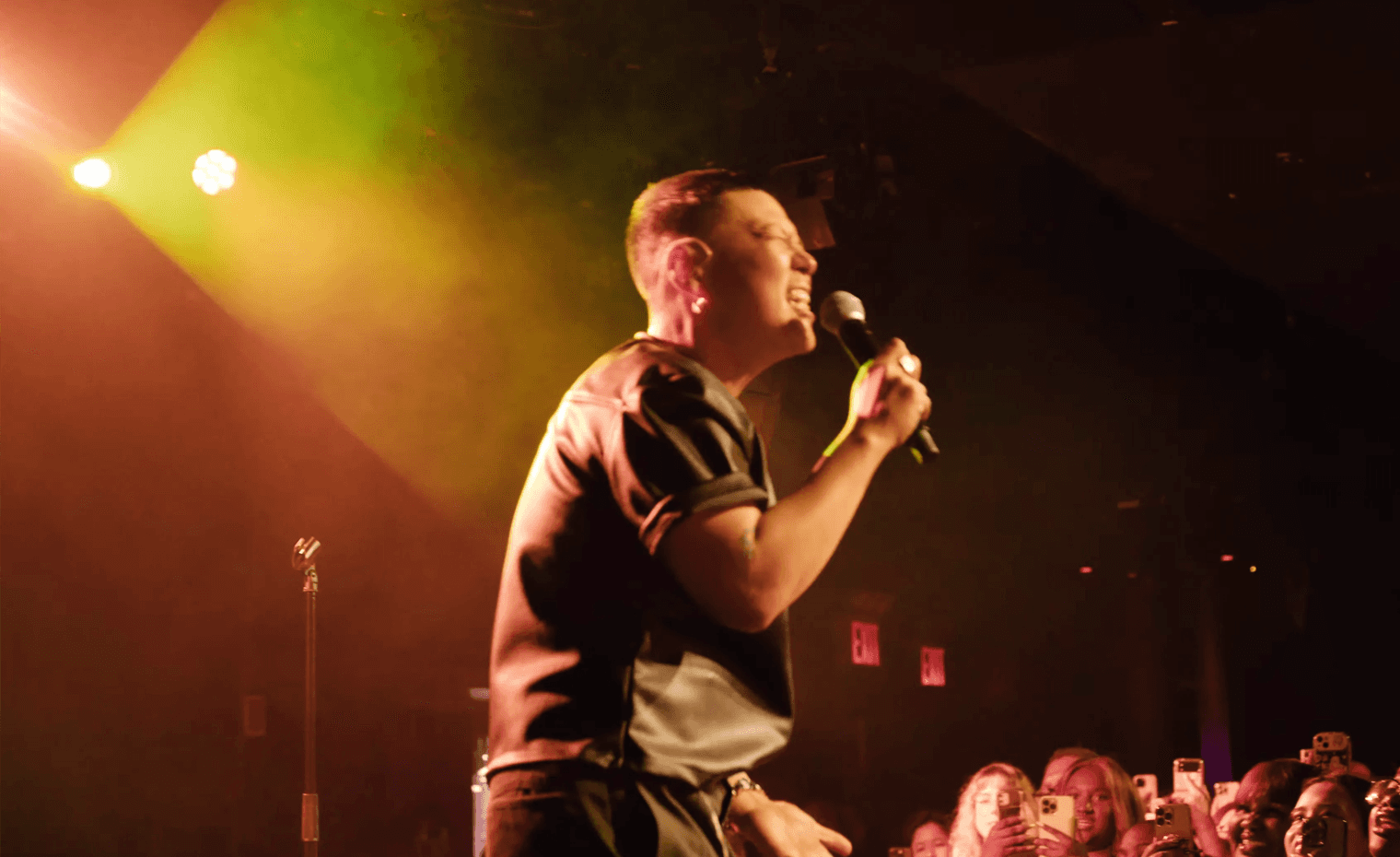
Altogether, these choices create a strong sense of visual purpose that helps guide the viewer’s emotions and attention throughout the piece.
By keeping the style consistent, the imagery feels intentional and unified rather than random. The balance of stable shots and dynamic movement adds rhythm and life, while thoughtful lens and framing decisions draw people closer to the story. This approach not only strengthens the overall look but also ensures that every shot supports the narrative in a clear, engaging, and visually appealing way. It’s about crafting a visual experience that feels seamless, immersive, and true to the project’s message.
Next projects.
(2016-25©)